-
Breast Cancer Awareness Month Recap
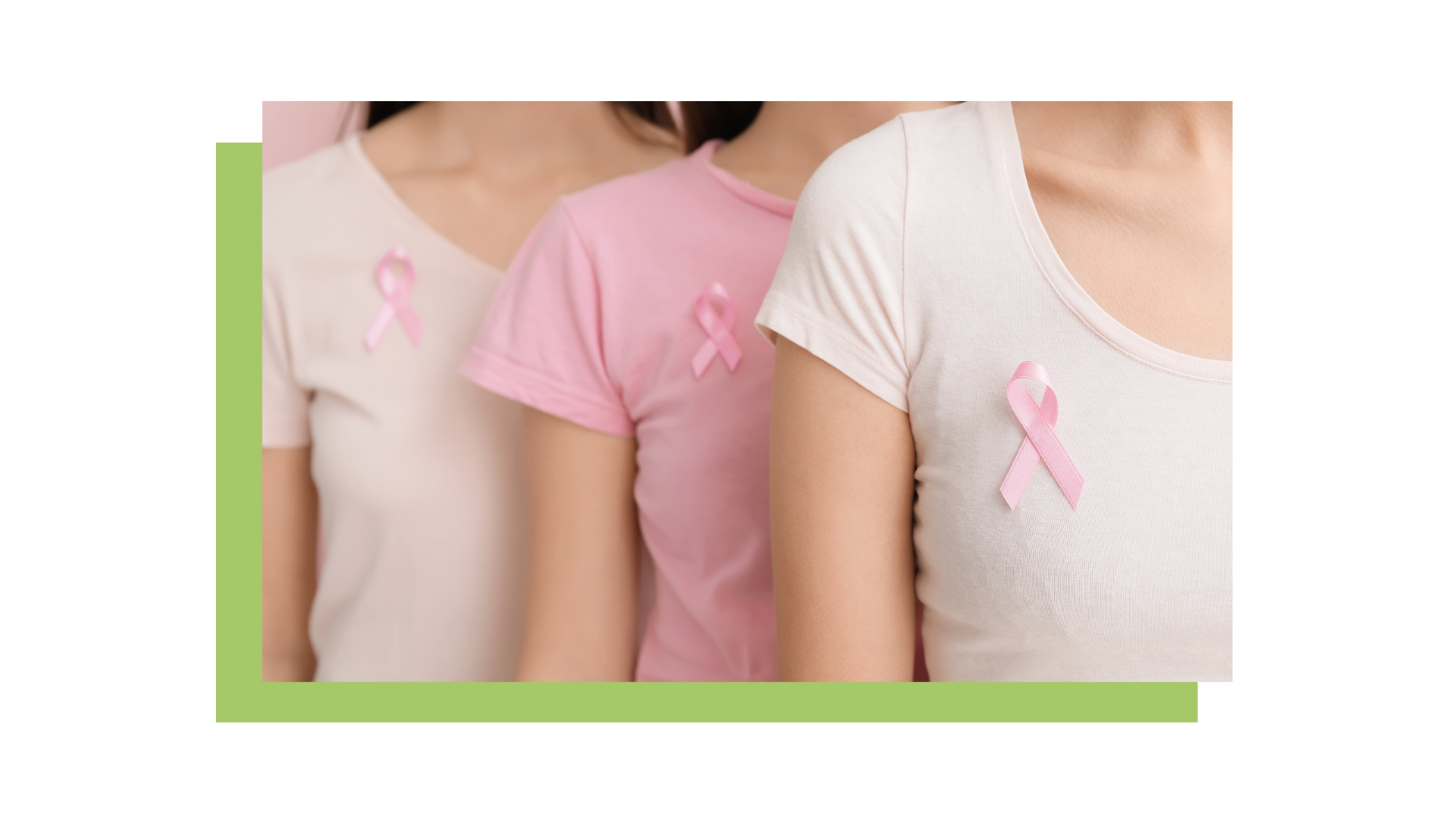
As Breast Cancer Awareness Month comes to a close, we want to recap some of the most important breast health insights shared over the past few weeks. Whether you’re taking steps toward prevention, supporting a loved one through diagnosis, or navigating life after cancer, awareness is key. Here’s a brief wrap-up of what we focused on this month: Breast Cancer Prevention…
-
Vulvar Disorders

What are Vulvar Disorders?Vulvar disorders encompass a range of conditions that affect the external female genitalia, known as the vulva. These disorders can include infections, inflammatory conditions, skin disorders, and chronic pain conditions. Common vulvar disorders include vulvovaginitis (inflammation or infection of the vulva and vagina), lichen sclerosus (a chronic skin condition causing white patches…
-
PMS and PMDD

What is PMS and PMDD?Premenstrual Syndrome (PMS) refers to a range of physical, emotional, and behavioral symptoms that occur in the luteal phase of the menstrual cycle, typically a week or two before menstruation begins. These symptoms can vary in intensity and may include mood swings, bloating, breast tenderness, fatigue, and irritability. Premenstrual Dysphoric Disorder…
-
Thriving after Breast Cancer

What is Thriving after Breast Cancer?Thriving after breast cancer involves focusing on recovery, rebuilding strength, and embracing life beyond cancer treatment. This stage is about moving from being a cancer survivor to a thriver—someone who not only overcomes the physical challenges of cancer but also prioritizes emotional and psychological well-being. It’s an opportunity to re-evaluate…
-
Infertility

What is Infertility?Infertility is defined as the inability to conceive after one year of regular, unprotected intercourse for women under 35, or after six months for women 35 and older. It can affect both men and women and may result from a variety of factors, including hormonal imbalances, structural issues, or underlying medical conditions. Infertility…
-
Thriving after Menopause
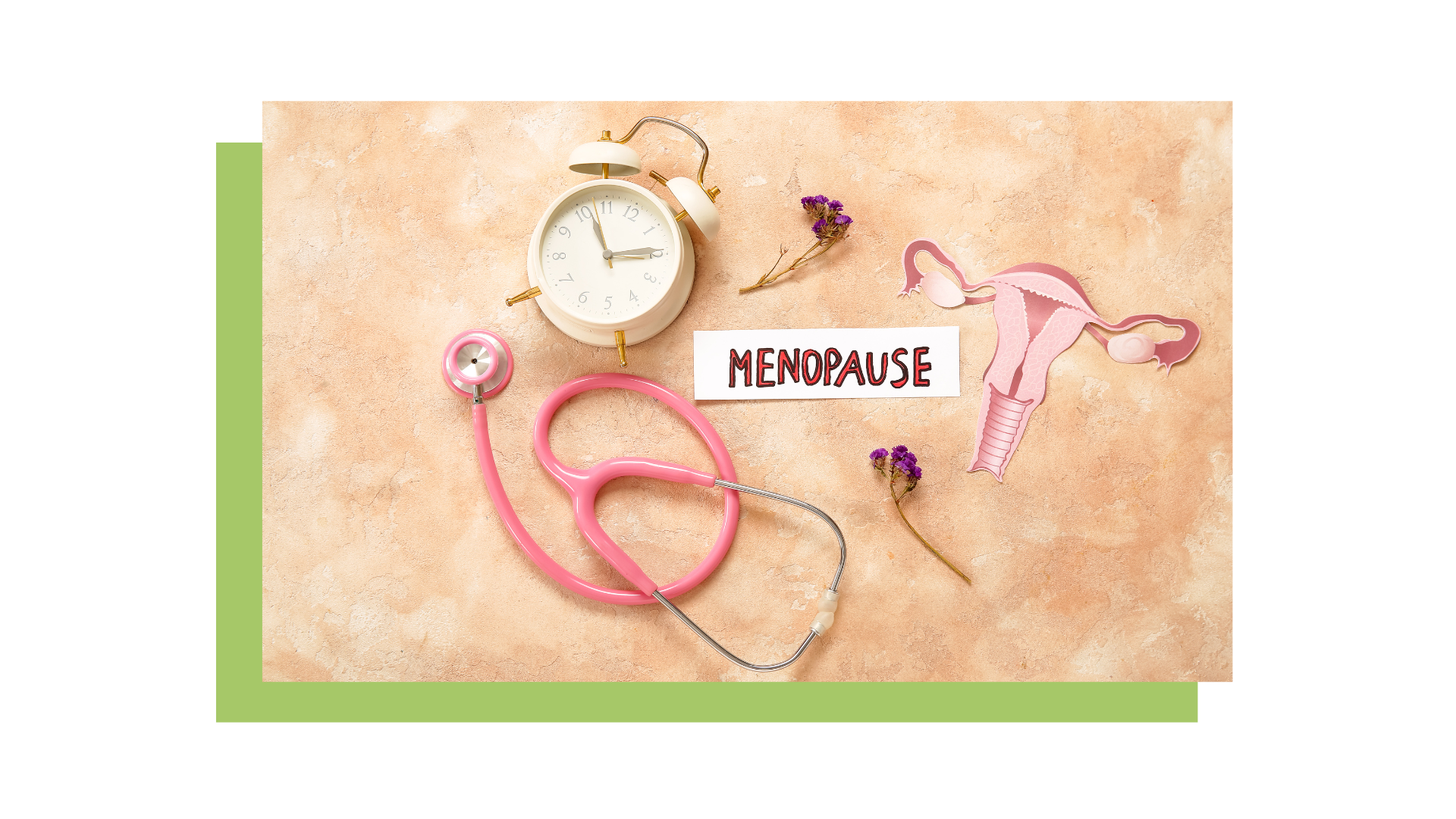
What is Thriving after Menopause?Thriving after menopause refers to living a healthy, fulfilling life post-menopause, the stage that begins after you have gone 12 consecutive months without a menstrual period. While menopause marks the end of your reproductive years, it also presents an opportunity to focus on your overall well-being and embrace a new chapter…
-
Perimenopause
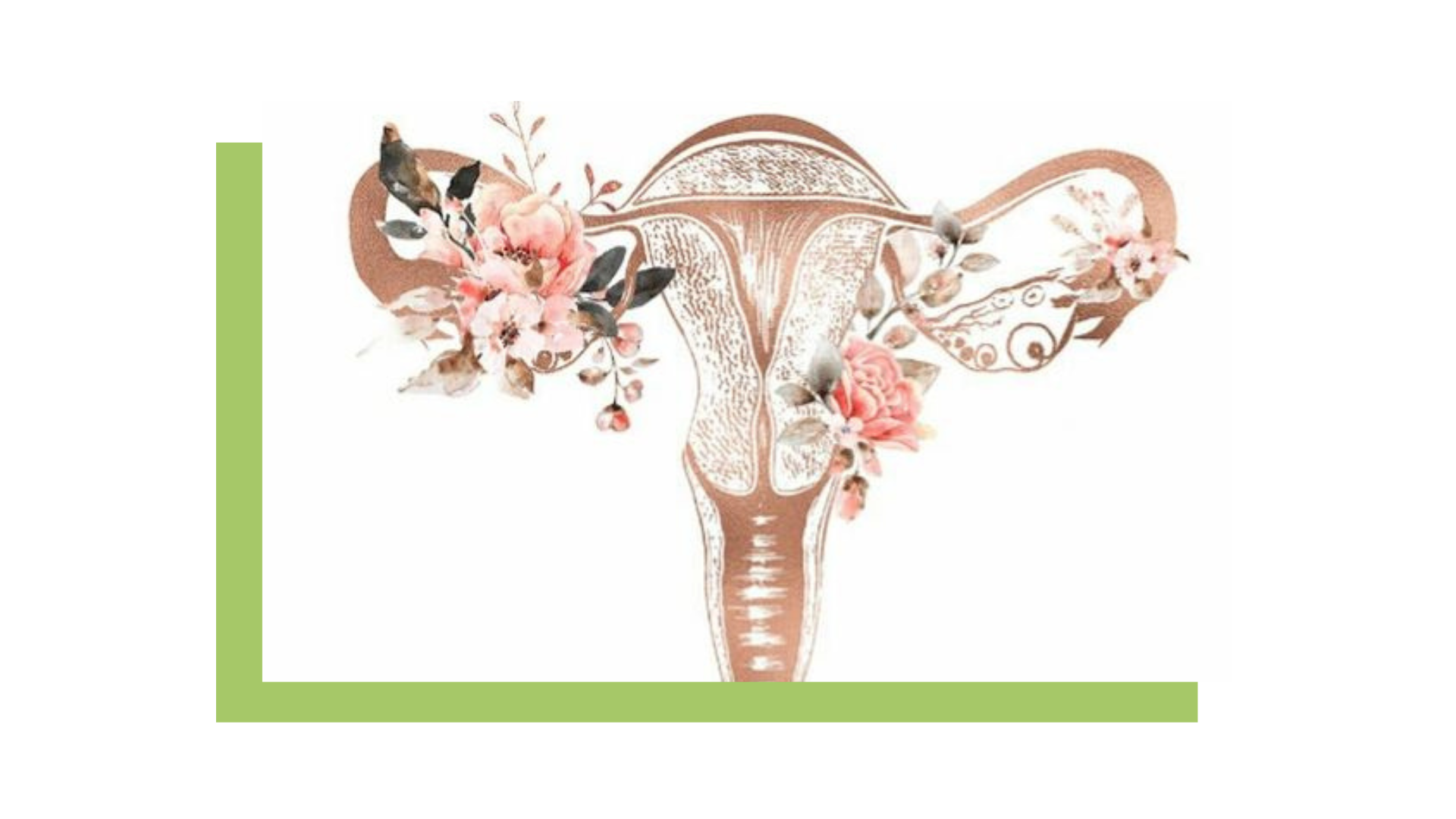
What is Perimenopause?Perimenopause is the transitional phase leading up to menopause, marked by changes in hormone levels, particularly estrogen and progesterone. This stage can begin in a woman’s 40s, though it may start earlier for some. Perimenopause typically lasts for several years, during which time women may experience a variety of physical and emotional symptoms…
-
Fibroids
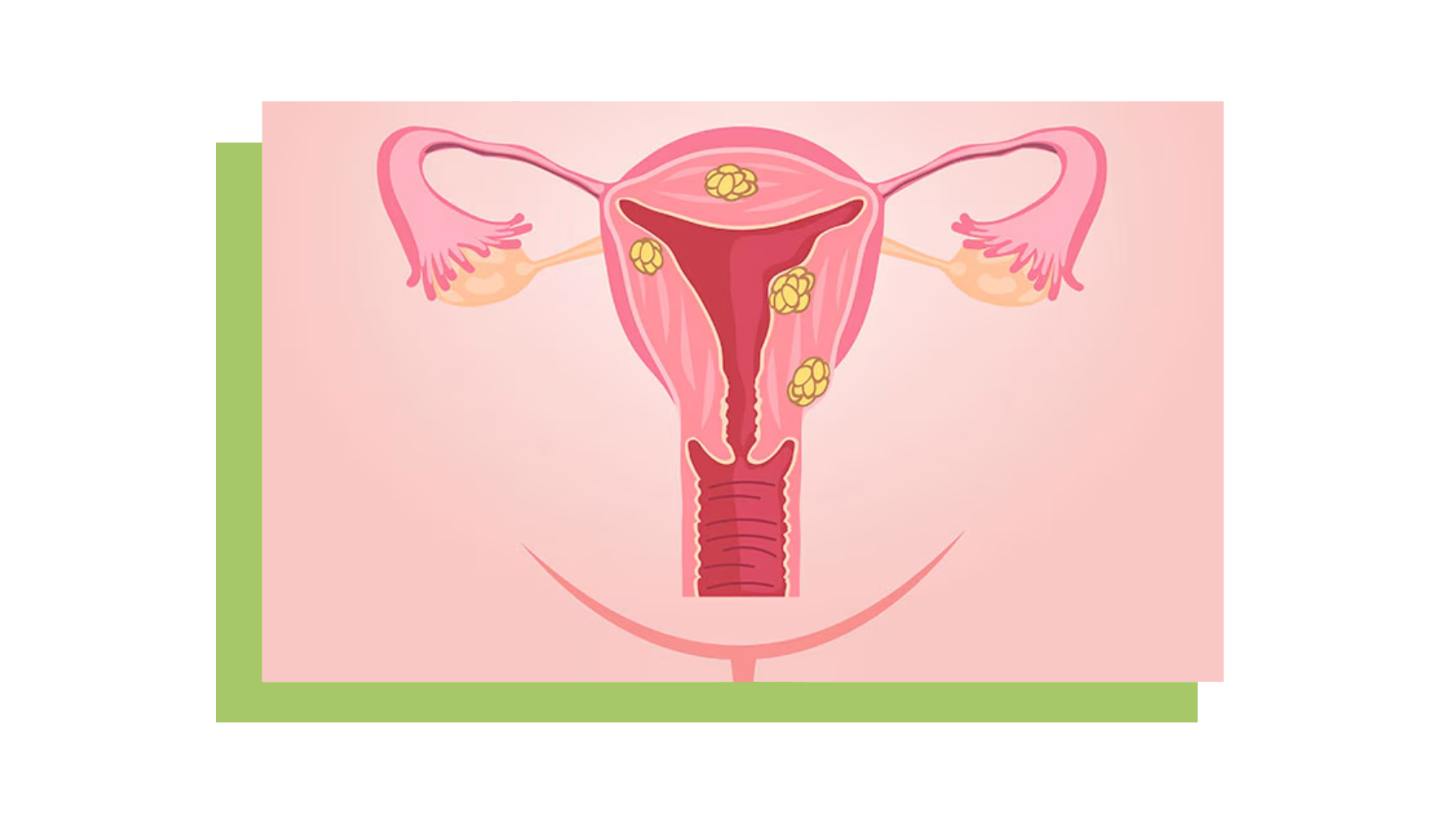
What are Fibroids?Fibroids, also known as uterine leiomyomas or myomas, are non-cancerous growths that develop within the muscle tissue of the uterus. They are most common during a woman’s reproductive years and vary in size, number, and location within the uterus. Fibroids can range from tiny seedlings that are undetectable to the naked eye to…
-
Endometriosis

What is Endometriosis?Endometriosis is a chronic condition in which glandular tissue similar to the lining inside the uterus (endometrium) grows outside the uterus, typically on the ovaries, fallopian tubes, the outer surface of the uterus, and other organs within the pelvis. This displaced endometrial tissue continues to act as it normally would—thickening, breaking down, and…
-
Polycystic Ovary Syndrome (PCOS)

What is PCOS?PCOS, or Polycystic Ovary Syndrome, is a common hormonal disorder affecting women of reproductive age. It is characterized by the presence of multiple small cysts on the ovaries, irregular menstrual cycles, and elevated levels of androgens (male hormones) in the body. PCOS can lead to various health issues, including infertility, metabolic syndrome, and…

Empowering Women to Live Their Best Life
