
What are Fibroids?
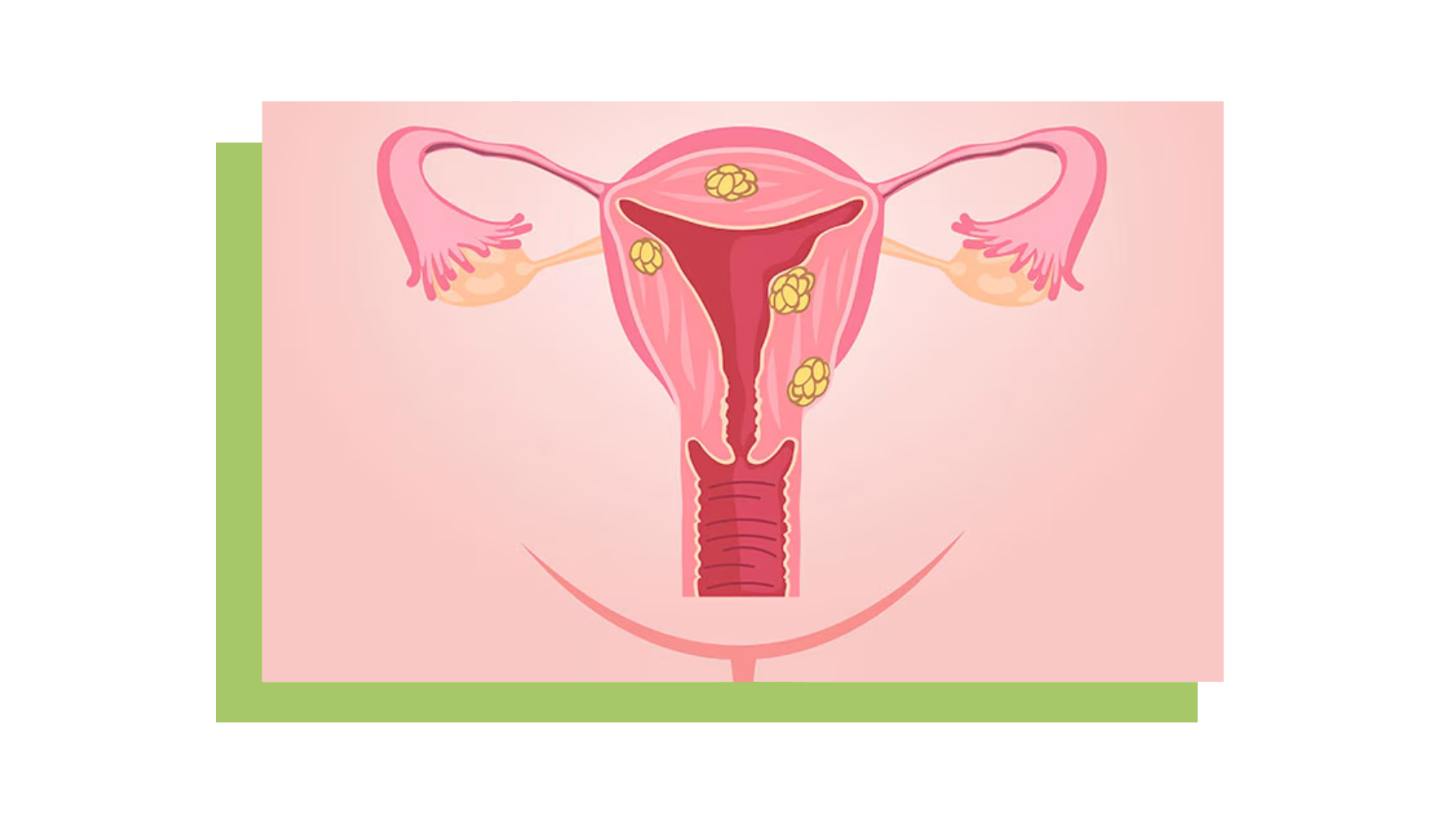
Fibroids, also known as uterine leiomyomas or myomas, are non-cancerous growths that develop within the muscle tissue of the uterus.
They are most common during a woman’s reproductive years and vary in size, number, and location within the uterus.
Fibroids can range from tiny seedlings that are undetectable to the naked eye to large masses that can distort and enlarge the uterus.
While the exact cause of fibroids is unknown, they are believed to be influenced by genetic factors and hormonal changes, particularly estrogen and progesterone.
What symptoms may I feel?
Many women with fibroids may not experience any symptoms and may only discover them during a routine pelvic exam or prenatal ultrasound.
However, when symptoms do occur, they can include heavy or prolonged menstrual bleeding, sometimes with blood clots, pelvic pain or pressure, and frequent urination due to the fibroid pressing on the bladder.
Other symptoms may include constipation, difficulty emptying the bladder, backache, leg pain, and in severe cases, anemia due to heavy blood loss.
Large fibroids can also cause discomfort during sexual intercourse and may complicate pregnancy by increasing the risk of miscarriage, preterm birth, or the need for a cesarean section.
What treatments are available?
Treatment for fibroids depends on the severity of symptoms, the size and location of the fibroids, and the woman’s desire to preserve fertility.
For mild symptoms, watchful waiting and regular monitoring may be sufficient. Medications such as NSAIDs can help manage pain, while hormonal treatments like birth control pills, GnRH agonists, and progestin-releasing intrauterine devices (IUDs) can reduce bleeding and shrink fibroids.
Minimally invasive procedures, such as uterine artery embolization (UAE), which cuts off the blood supply to the fibroid, causing it to shrink, and MRI-guided focused ultrasound surgery (FUS), are options for those seeking to avoid major surgery.
Surgical options include myomectomy, which removes the fibroids while preserving the uterus, and hysterectomy, which removes the uterus entirely and is considered a definitive cure for fibroids.
What lifestyle choices can I make?
Lifestyle changes can play a role in managing fibroid symptoms. Maintaining a healthy weight and following a diet rich in fruits, vegetables, and whole grains can help manage hormone levels and reduce the risk of fibroid growth.
Regular exercise can also help maintain a healthy weight and reduce symptoms. Avoiding or limiting foods that can exacerbate symptoms, such as red meat and high-fat dairy products, may be beneficial.
Stress management techniques like yoga and meditation can help manage the emotional impact of fibroid symptoms, particularly for women dealing with chronic pain or fertility challenges.

Leave a Reply